

Understanding the signs of gambling addiction A vital awareness guide
Recognizing the Signs of Gambling Addiction
Gambling addiction, also known as compulsive gambling, is characterized by an uncontrollable urge to gamble despite the negative consequences. Understanding the signs is crucial for early intervention. One prominent sign is an overwhelming preoccupation with gambling, where individuals constantly think about betting or planning their next gambling session. This can lead to neglecting work or personal relationships, causing strain on one’s emotional and social life. Many people often explore various resources, including https://redcasino.app, to find safe gaming options and stay informed about potential risks.

Another significant indicator is chasing losses, where a person continues to gamble in hopes of winning back money lost. This behavior often creates a vicious cycle, leading to increased financial troubles and emotional distress. Gamblers may find themselves lying about their gambling habits or hiding their losses from family and friends, which can lead to feelings of isolation and guilt. Recognizing these patterns early is vital for seeking help.
Additionally, increased tolerance is another hallmark of gambling addiction. Much like substance addiction, individuals may find that they need to gamble larger amounts of money to achieve the same thrill. They might also experience withdrawal symptoms, such as irritability or anxiety, when they cannot gamble. Understanding these signs can be the first step towards addressing the issue before it escalates into a more serious problem.
The Impact of Gambling Addiction on Daily Life
The effects of gambling addiction extend beyond financial loss; they permeate every aspect of a person’s daily life. Relationships often suffer as a result of secretive behavior and dishonesty. Families may experience turmoil when a loved one prioritizes gambling over responsibilities, leading to broken trust and emotional turmoil among family members. For example, a spouse may feel neglected, while children might suffer from a lack of attention and support.
Moreover, gambling addiction can lead to severe financial consequences. Many individuals may deplete their savings, run up credit card debt, or even resort to illegal activities to fund their gambling habits. This financial instability can create a sense of hopelessness, contributing further to mental health issues such as anxiety and depression. The constant stress of financial struggles can also lead to physical health problems, including sleep disorders and chronic illnesses.
Another critical area affected by gambling addiction is the workplace. Individuals may struggle with maintaining focus and productivity due to their gambling-related distractions. This can lead to job loss, which further exacerbates the cycle of financial and emotional distress. Ultimately, the impact of gambling addiction can be profound, affecting not just the individual but also their loved ones and community.
Common Myths About Gambling Addiction
Myths surrounding gambling addiction often create barriers to recognizing and addressing the issue. One prevalent myth is that gambling addiction only affects individuals who engage in high-stakes gambling. In reality, compulsive gambling can occur at any level, from casual betting to playing the lottery. It is essential to understand that addiction can manifest differently for each person, making it crucial to remain vigilant regardless of the gambling format.
Another misconception is the belief that gambling is merely a harmless pastime. While many people can gamble responsibly, for some, it can develop into an uncontrollable addiction. This myth can lead to delayed intervention, allowing the addiction to worsen. Understanding that gambling can be a serious issue is vital for those who may be struggling or know someone who is. Awareness can help encourage open discussions about the potential dangers of gambling.
Finally, many individuals think they can control their gambling behavior by simply deciding to stop. However, gambling addiction is complex and often requires professional help to overcome. This myth can prevent individuals from seeking the support they need, prolonging their suffering. Recognizing the truth behind these myths is a crucial step in raising awareness and encouraging timely intervention for those affected by gambling addiction.
Seeking Help for Gambling Addiction
Recognizing the signs of gambling addiction is only the first step; seeking help is crucial for recovery. Various treatment options are available, including therapy, support groups, and rehabilitation programs. Cognitive-behavioral therapy (CBT) has proven effective in helping individuals understand and change their thought patterns related to gambling. Such therapies provide coping strategies and support, making the recovery process manageable.
Support groups, such as Gamblers Anonymous, offer a community of individuals who understand the struggles of gambling addiction. These groups provide a safe space to share experiences and receive encouragement from peers who have faced similar challenges. The sense of camaraderie can be a powerful motivator for change, enabling individuals to rebuild their lives with the support of others who have successfully navigated the path to recovery.
In addition to therapy and support groups, some individuals may benefit from medication to address underlying mental health issues associated with gambling addiction. Consulting with a healthcare professional can help determine the most effective treatment plan. Overall, seeking help is not a sign of weakness; rather, it is a courageous step towards reclaiming control over one’s life.
Responsible Gaming Practices at Online Platforms
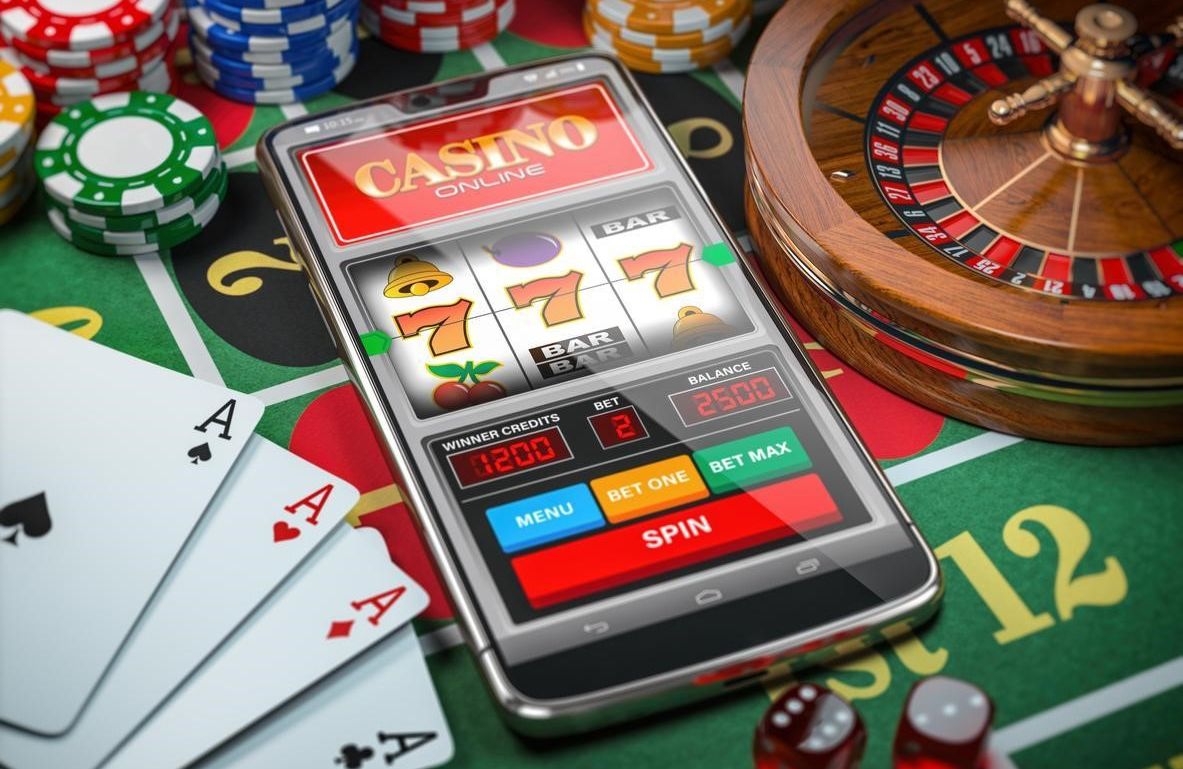
As the popularity of online gambling platforms continues to rise, understanding responsible gaming practices is essential for both players and operators. Reputable online casinos, such as Red Casino UK, prioritize responsible gambling and implement various measures to ensure player safety. These measures include deposit limits, self-exclusion options, and time-out features to help individuals maintain control over their gambling behavior.
Education is also a crucial aspect of responsible gaming. Many online platforms provide resources and information about the risks associated with gambling addiction. By empowering players with knowledge, operators can help create a safer gaming environment. This commitment to responsible gambling not only protects players but also fosters a positive community where enjoyment can thrive without the risk of addiction.
Furthermore, licensed online casinos often have dedicated customer support teams to assist players in navigating their gambling experiences. Whether addressing concerns about gambling habits or providing information on seeking help, these support teams play a vital role in promoting responsible gaming. By prioritizing player well-being, online casinos can contribute positively to the overall gaming landscape.
